Do one small experiment before pointing the finger at your camera. Find a steady patch of window light. Put a cup, book, or houseplant in front of the window. Stand still and take three photos of the same object. For the first one, hold your camera or phone camera casually. For the second, tuck your elbows into your sides and gently depress the shutter button. For the third one, lean up against the nearest wall or rest your camera on a stable surface. Compare the three results. Zoom in on the object and look at where the edges are clearest.
There are several types of blur, and they all look slightly different. Camera shake often makes the whole image seem out-of-focus or streaked. Low light levels increase the chances of this type of blur. When something is out of focus, the background or foreground will be sharper than your subject. Motion blur is created when your subject moves while the shutter is open. For example, if you photograph someone and their hand is moving when they turn, or if someone is walking in the frame, you can get motion blur. Before you change your camera settings, identify what kind of blur you are experiencing.
Lighting is the first thing you should try to correct because darker scenes are more prone to blur. If you are shooting inside, the camera needs a longer exposure in order to capture more light. That gives your tiny hand shake longer to mess up your photo. Try to move the object closer to a window or angle it toward the natural light. Pick a brighter spot in the room to shoot. Don’t just use the harsh direct sunlight as a cure-all because harsh lighting with intense highlights and contrast produces different issues. You only need enough light in your scene to see it clearly without putting too much pressure on your camera.
Next, check your focus. Tap on the subject of your photo on a phone or carefully place your focus point on your camera before you press the button. If you are photographing someone, try to focus on the eye that is closest to the camera. If you’re photographing an object, focus on the front edge or most important details of the object. When you take a photo of an object and the camera focus on the background, you can end up with a great exposure but an unfocused subject.
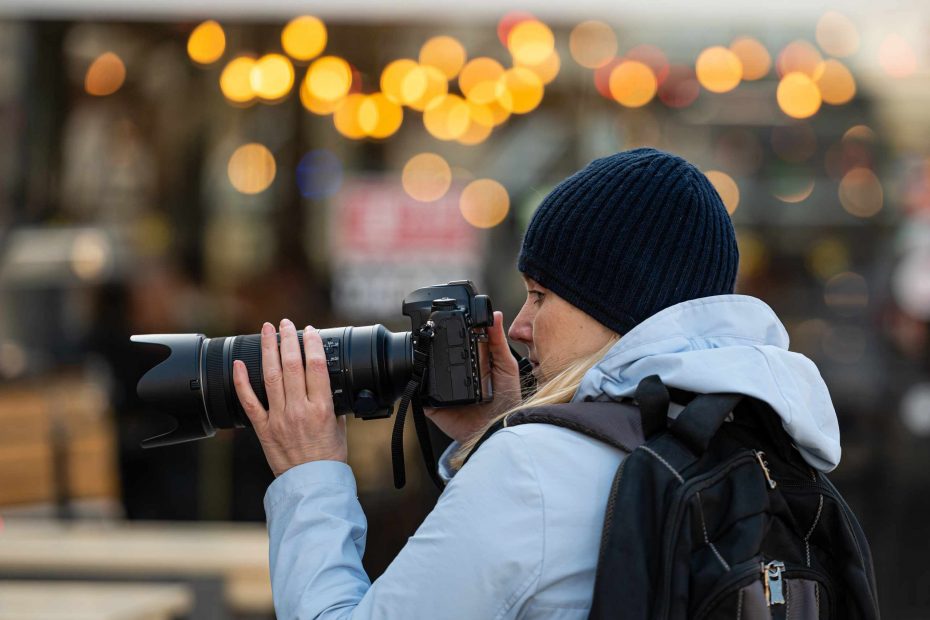
Also check your grip. Make sure you are holding your camera with both hands. Keep your hands steady, but not stiff. Don’t jab at the shutter button. Think of it like squeezing, not poking. If you are shooting on your phone, wipe the lens before shooting. Smudged lenses will give you a hazy shot even if you’ve focused correctly. If you can use a tripod or rest the camera on a stable surface, take a shot with it to compare against the hand-held one to gauge how shaky the camera actually is.
After your photo test, review them while asking this question, “what happened in this shot that made it blurrier or sharper than the other photo?” Was there more or less window light? Was your grip sturdier? Did you forget to clean the camera lens? Was your focus accurate? You can learn more about what made your first photo blurry just by looking at these three options than if you were guessing and changing each setting at once. So, the next time you shoot a blurry photo, check the light, your steadiness, your focus, and the cleanliness of your lens to isolate which of these was causing the issue.